

Engine oil lubricates moving components, helps manage heat, and carries contaminants toward the filter as the engine operates. Eventually that oil and filter need replacement, which makes a Nissan oil change one of the fundamental pieces of routine maintenance. For Nissan owners around Lake Charles, LA, the important question isn't if the oil needs changing. It's figuring out the correct interval for your vehicle.
Fresh Oil Is Affordable Insurance for an Engine
Inside a running engine, metal components are moving thousands of times per minute while producing considerable heat. Oil creates a lubricating film between those components while helping control deposits and contaminants. Over time, heat, combustion byproducts, and normal operation degrade the oil and its additives. Continue driving beyond the appropriate service interval and lubrication performance can suffer, potentially increasing engine wear. Following your Nissan specified routine maintenance schedule is considerably less complicated than dealing with the mechanical consequences of neglected oil.
Your Nissan Determines the Oil-Change Interval
There's no single mileage figure that applies to every Nissan. The correct interval depends on the model, model year, engine, specified oil, and operating conditions, so the maintenance schedule in the owner's manual should be the starting point. Severe operating conditions can require different maintenance than normal driving, making it important to follow the schedule applicable to how the vehicle is used. If you're uncertain, a Nissan service center can identify the appropriate oil and maintenance interval using your specific vehicle information.
Don't Wait for the Engine to Complain
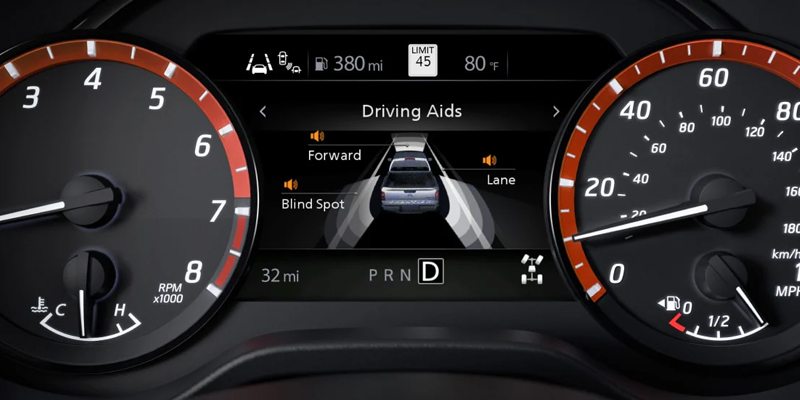
Maintenance reminders provide clear indication that scheduled service is approaching, but owners should also pay attention to oil level and warning indicators. An oil-pressure warning is particularly important because it can indicate a lubrication-system problem and shouldn't be treated as an ordinary oil-change reminder. Unusual engine noises, visible leaks, or a burning-oil odor also deserve investigation through Nissan diagnostic service. Oil becoming darker during use isn't automatically evidence that it needs immediate replacement, either. Modern engine oil is designed to collect contaminants, so appearance alone doesn't provide a reliable replacement schedule.
The Correct Oil Specification Matters
Oil isn't simply oil anymore. Different Nissan engines can require different viscosity grades and specifications, and using the correct product is important for lubrication, efficiency, and engine protection. Depending on the model and engine, Nissan may specify a particular viscosity and oil standard, so check the owner's manual. During a Nissan oil and filter change, the correct filter is equally important because it removes contaminants circulating through the lubrication system.
Driving Can Affect Maintenance Needs
Operating conditions influence how hard an engine and its oil have to work. Frequent short trips, extensive idling, dusty environments, towing, and certain temperature conditions can place different demands on the vehicle than steady highway driving. That's worth considering for Lake Charles drivers who spend substantial time in traffic, make repeated short journeys, or use a Nissan truck or SUV for towing. Following the appropriate Nissan maintenance schedule for those conditions helps take the guesswork out of deciding when service is due.
Schedule Nissan Oil Service in Lake Charles, LA
Oil changes aren't complicated, but doing them at the correct interval with the proper oil and filter can play an important role in long-term engine care. Drivers around Lake Charles, LA, can visit Navarre Nissan for Nissan oil change service, filter replacement, multipoint inspections, and other Nissan maintenance services. Check available Nissan service specials or schedule a service appointment online when your maintenance reminder appears or your Nissan reaches its recommended service interval.